Good stories need a reliable way to reach the team.
As a nonprofit grows, more people become part of its story. Shelter partners, rescue teams, volunteers, and creators can capture important moments, but they bring different levels of media experience and different understandings of the brand.
Through a multi-year engagement, Tools for Talent designed and implemented a digital framework to make decentralized content more consistent, usable, and repeatable. The work responded to organizational growth and the practical complexity of a distributed rescue network.
When participation grows, clarity matters more.
- Content quality and messaging can vary across contributors.
- Volunteers and partners need clear guidance on voice, visuals, and expectations.
- Platform changes can outpace internal processes.
- Content permissions, attribution, and reputational considerations become more complex.
- Knowledge and execution can become concentrated in too few people.
The goal was to turn individual knowledge into shared capability. The organization needed structures that could support fundraising and community engagement while making contribution easier to coordinate.
Content guides built around the people doing the work.
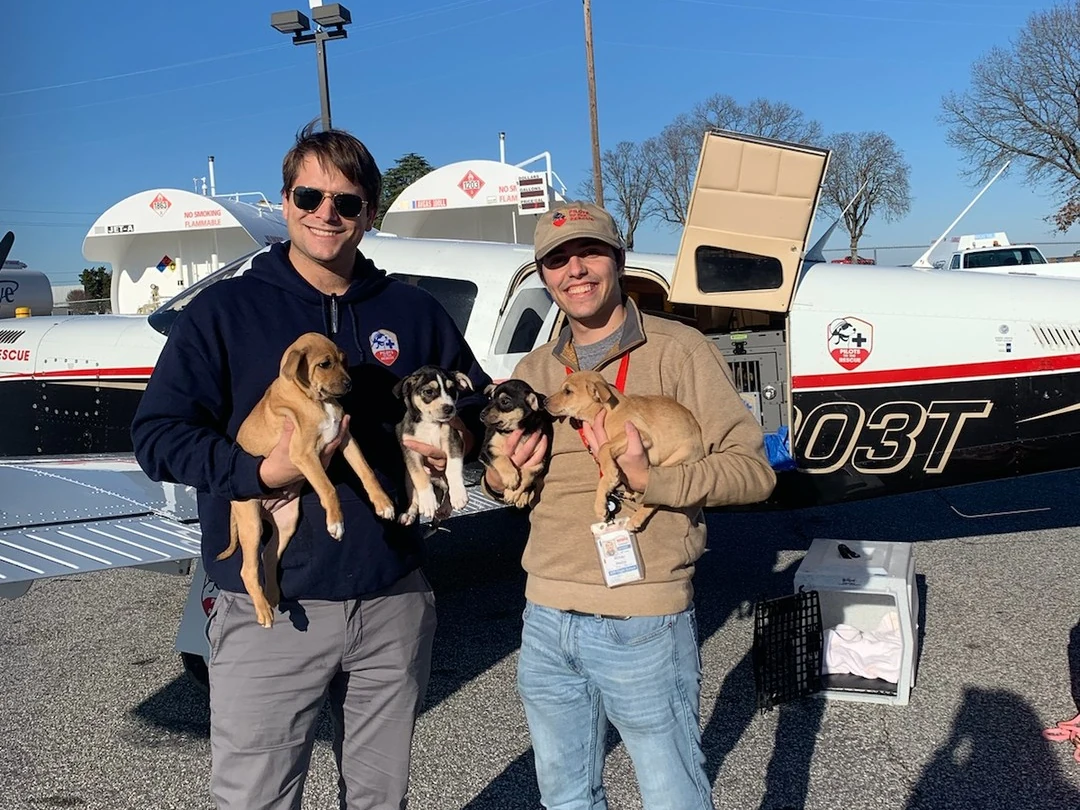
Tools for Talent created role-specific content guides for supplying and receiving shelters, volunteer influencers and partners, and air and ground rescue teams. Each guide translated the wider storytelling strategy into relevant expectations for that contributor group.
- The purpose and goals of the content.
- Visual standards and practical imagery guidance.
- Messaging priorities and tone.
- Platform-specific considerations.
- Submission and usage expectations.
The guides supported people capturing content across the country, helping their contributions remain aligned with the mission and more useful to the team responsible for publishing.
A shared standard for the brand’s digital presence.
A centralized social media and brand framework clarified the voice and visual identity across channels. It also distinguished content supporting awareness from content serving fundraising, giving the organization a more deliberate way to plan the mix.
- Consistent voice and visual direction.
- Clearer roles for awareness and fundraising content.
- Guidance for storytelling in each platform’s native formats.
- Expectations intended to preserve credibility and donor trust.
This framework made consistency a shared reference point rather than something dependent on whoever happened to be creating or reviewing a post.
Participation with clearer expectations.
The work also included contributor and partnership agreements for supplying shelters, receiving shelters, volunteer contributors, and influencers. These documented expectations around collaboration and the use of contributed material.
- Content usage rights and permissions.
- Contribution, attribution, and conduct expectations.
- Responsibilities and protections within the collaboration.
These agreements formed part of the operational framework described in the original case study. Their purpose was to support broader participation with clearer expectations, rather than rely on informal assumptions.
Living documents, shaped by real conditions.
The guides and frameworks were refined as platforms changed, the audience grew, fundraising priorities shifted, and operational needs evolved. The system was designed to remain useful through those changes.
That meant treating documentation as part of ongoing leadership and collaboration. A framework only helps when people can understand it, use it, and adapt it to the work in front of them.
Designed for continuity.
The original case study reports more consistent content across contributors, clearer internal expectations, improved coordination, and reduced reliance on a single individual. It describes an ecosystem better equipped to support ongoing community engagement and fundraising.
- Transferable guidance during staff or contractor transitions.
- More continuity during operational disruptions.
- A shared foundation for bringing new contributors into the work.
- Closer alignment between mission, messaging, and fundraising priorities.
Make knowledge something the organization can keep.
For nonprofits and impact-focused brands, sustainable digital infrastructure makes good work easier to carry forward. Content guides, shared standards, collaboration expectations, and ongoing refinement give the team a common way to work.
The approach can be adapted to other causes and organizational structures. Its central principle is simple: build capability that can outlast a single campaign, contractor, or moment in time.